The group

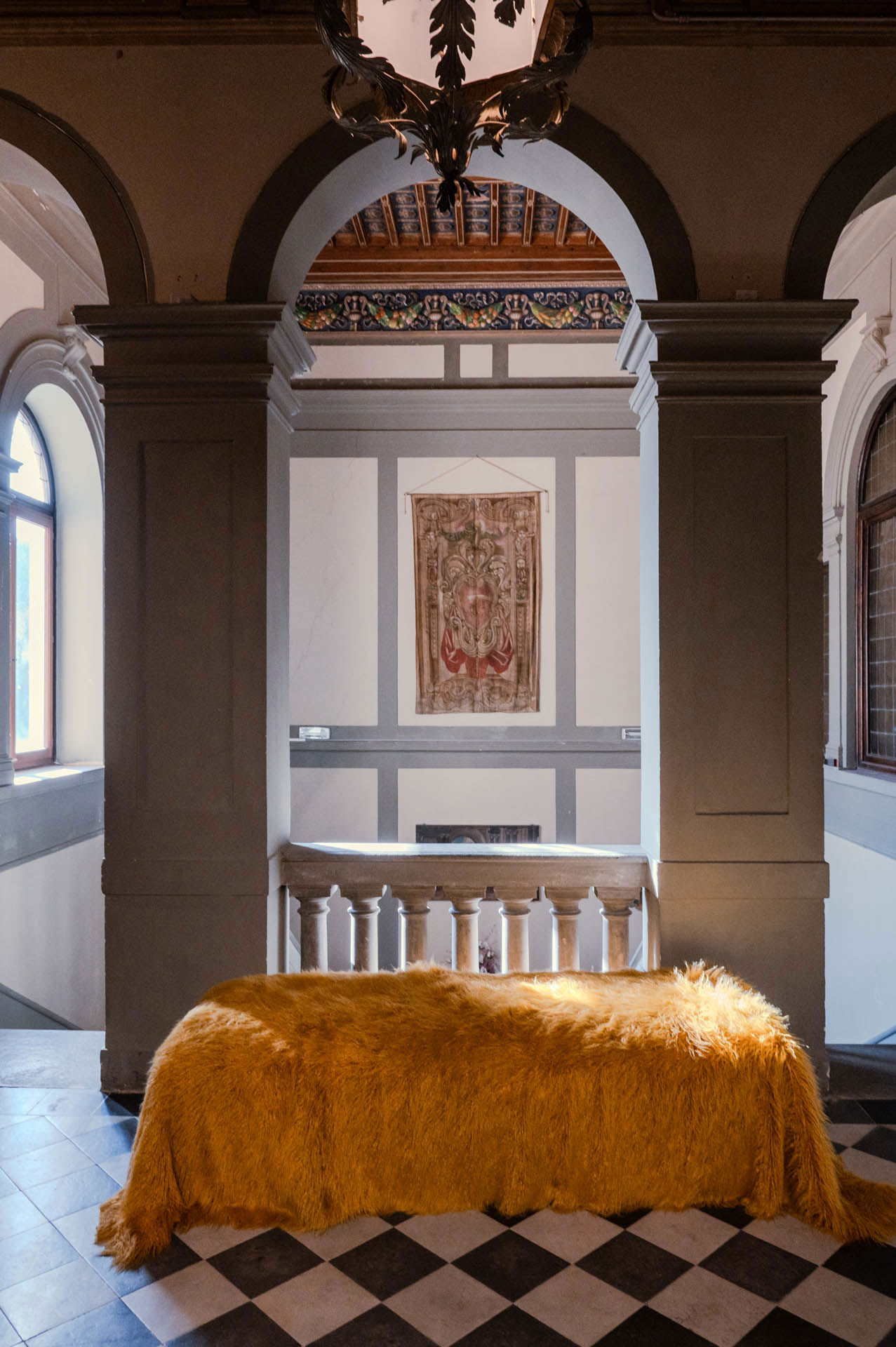
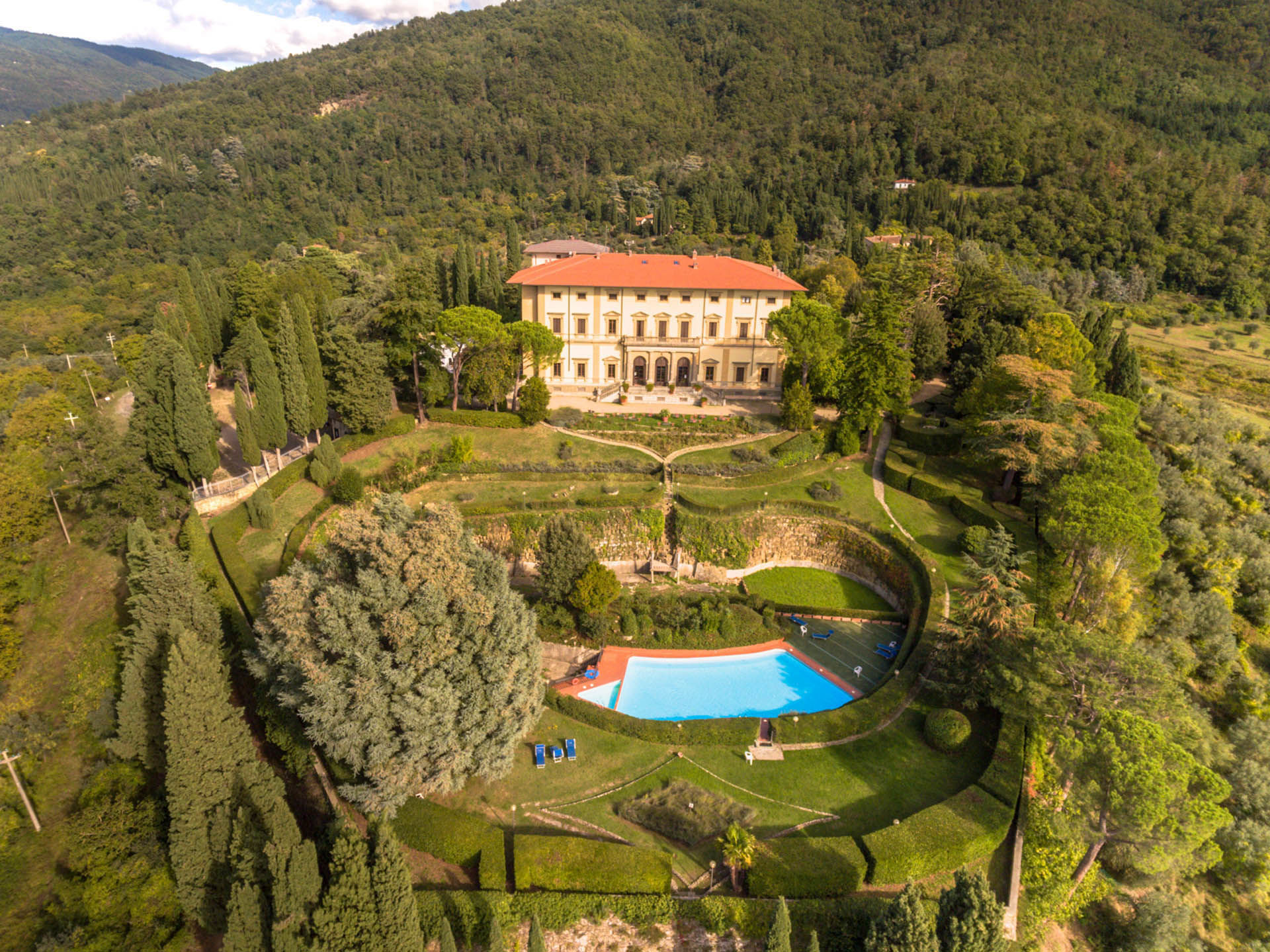
Nestled in the rolling hills of Tuscany, Villa Pitiana stands at 430 meters above sea level, in a privileged position where the last olive groves of the Valdarno meet the ancient trees of the Vallombrosa Forest. Its imposing structure overlooks the landscape, offering a perfect balance of history, nature, and elegance.
The origins of the Villa date back to 1039, when Abbess Itta of the Convent of Sant’Ellero donated the lands of Vallombrosa to Saint John Gualbert. To support the monks, an estate with gardens and vineyards was added in Pitiana, marking the beginning of its agricultural vocation. Over the centuries, the strategic location of the estate made it a key site during the Florentine conflicts between Guelphs and Ghibellines in the 13th century. The oldest part of the Villa, dating back to the 14th century, still preserves the charm of the ancient “casa da signore”, fortified residences characterized by imposing towers, reminiscent of those in San Gimignano.
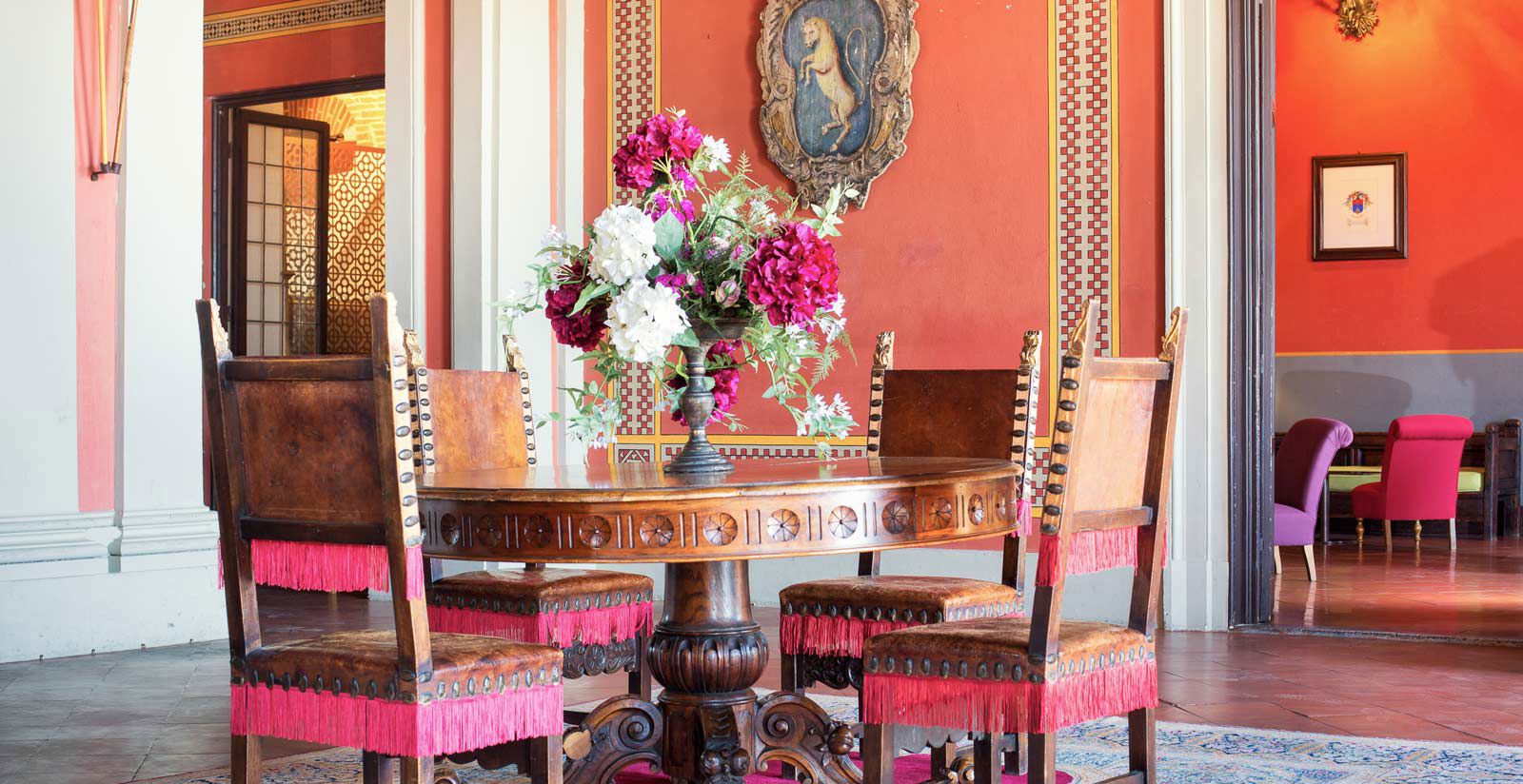
During the Renaissance, Villa Pitiana underwent significant restoration and expansion. In 1610, the elegant three-story rear wing was added, while in the main courtyard it is still possible to admire the late Mannerist coat of arms featuring the staff of Saint John Gualbert and the mitre, symbol of abbey authority. With the annexation of Tuscany to the Napoleonic Empire in 1808, the Villa became private property, marking a new chapter in its history. It later passed into the hands of the Grottanelli Counts, preserving its prestige and identity over time.

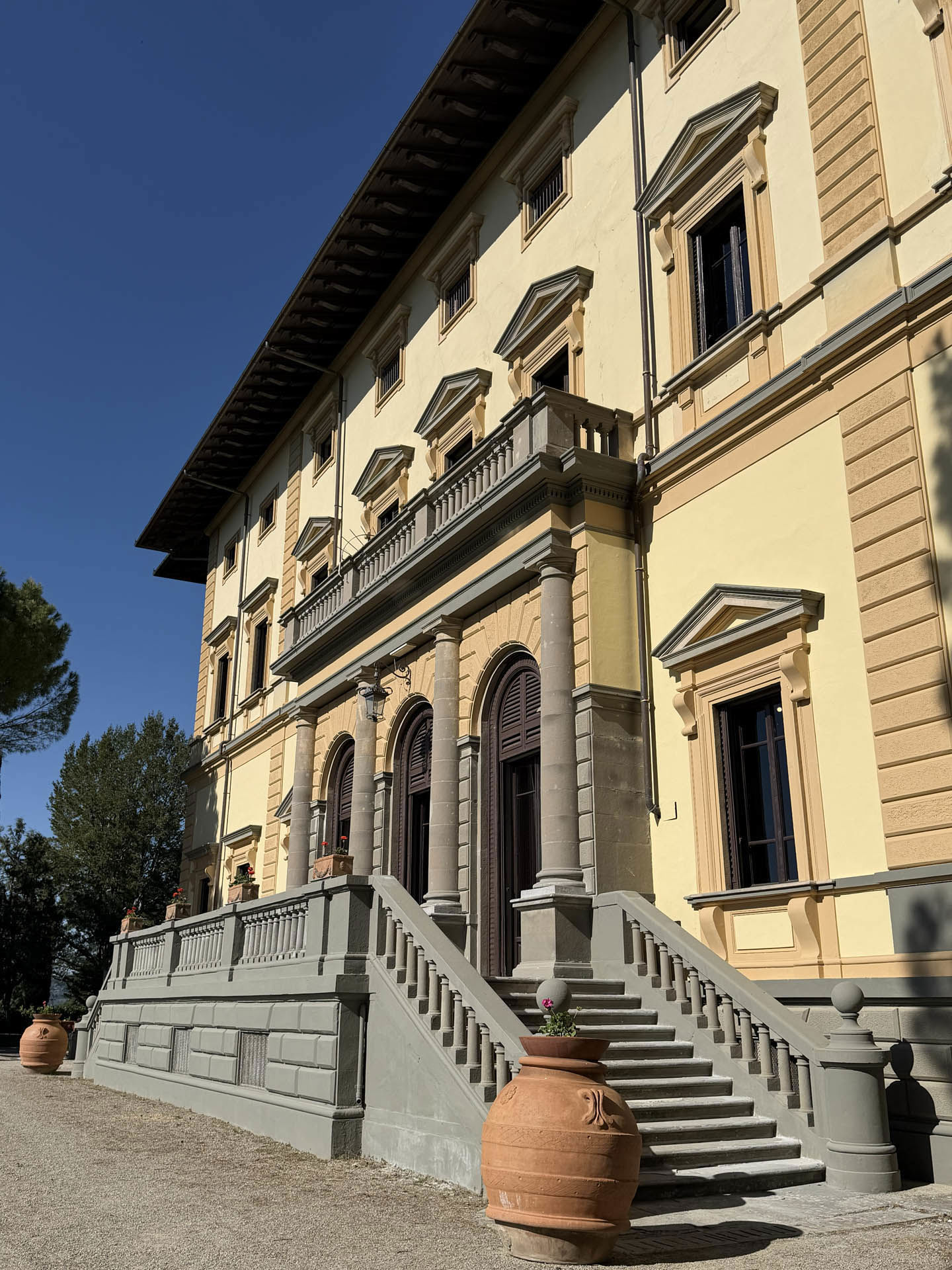
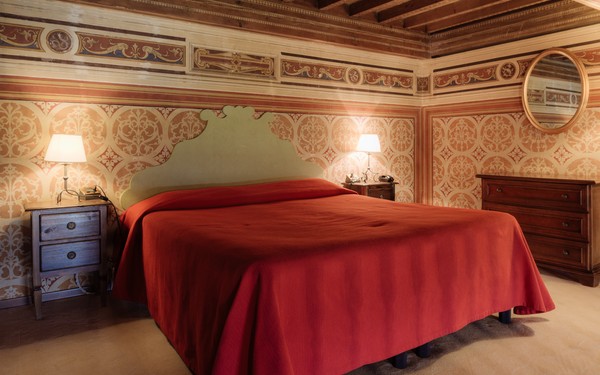
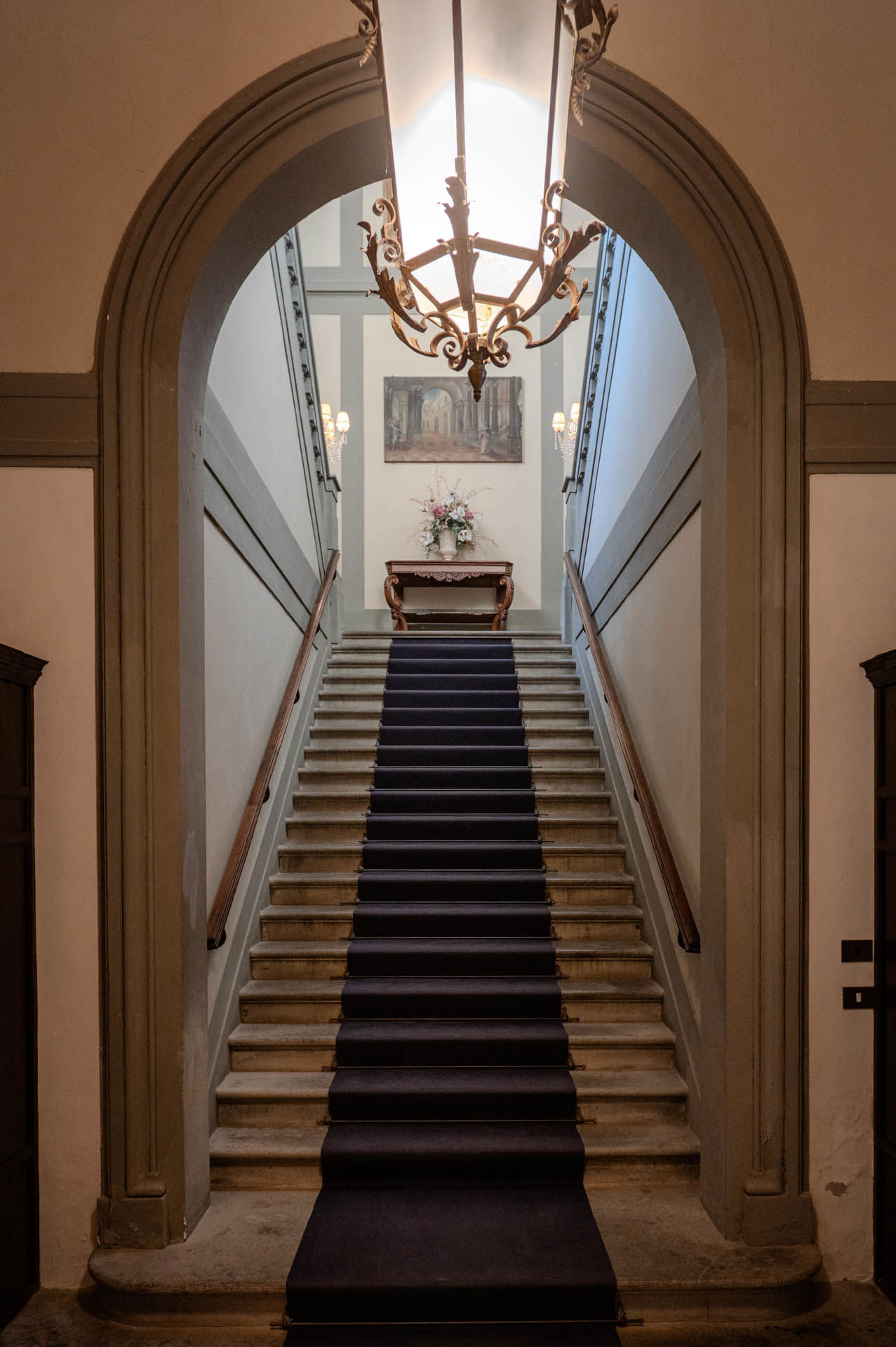
At the end of the 19th century, Villa Pitiana took on its current appearance, with the construction of its monumental façade inspired by academic Renaissance style, influenced by the works of Giuseppe Poggi. The rear section continued to function as a working farm until more recent times. In the early 20th century, a characteristic rack railway connected Sant’Ellero to Saltino, with a stop located directly in front of the Villa, highlighting its central role in the area. Further restoration works carried out in 1931 completed the renovations begun in the late 19th century, shaping the refined interiors that welcome guests today.
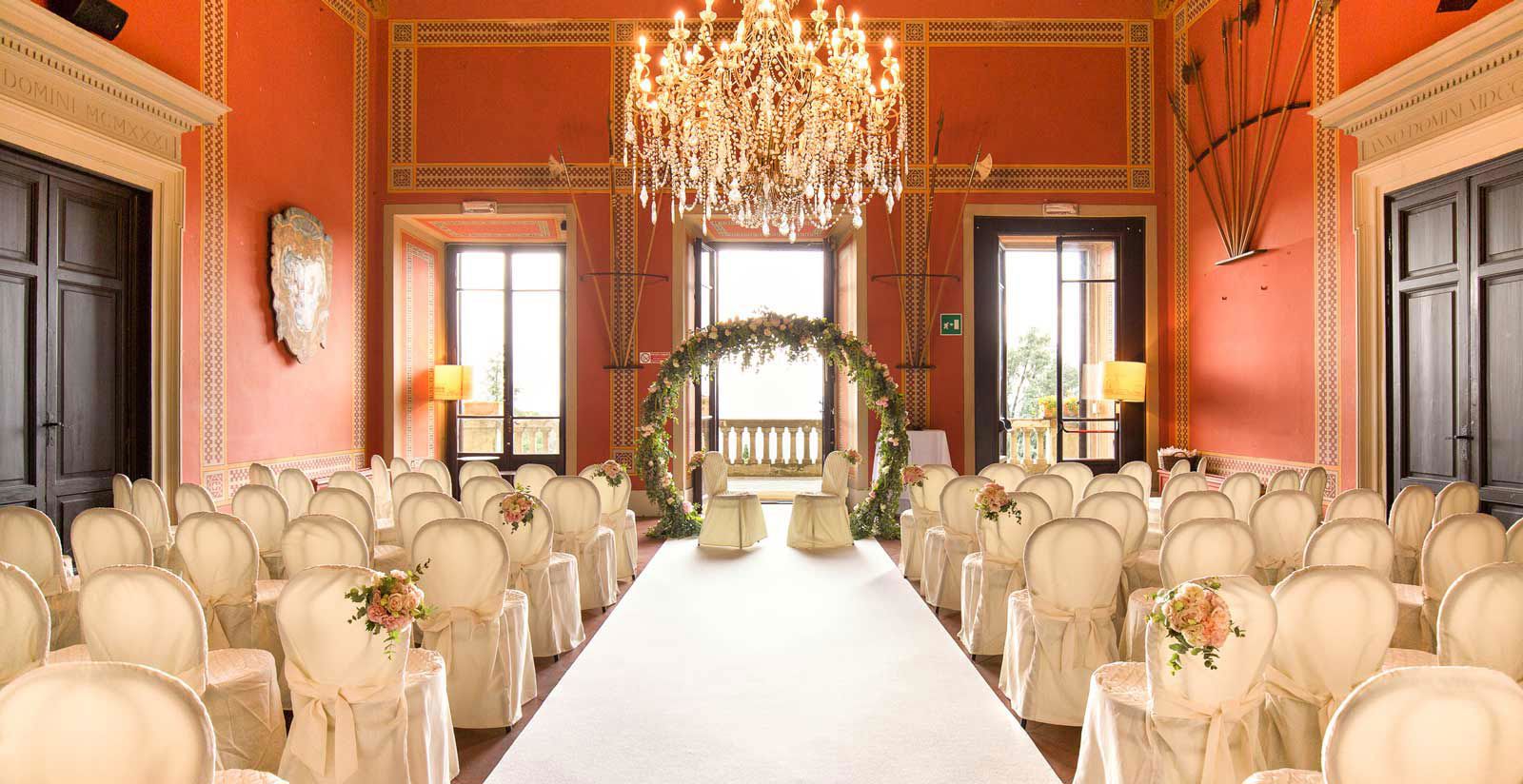
Today, Villa Pitiana is an elegant destination where historic charm meets modern comfort, offering an authentic Tuscan experience.